
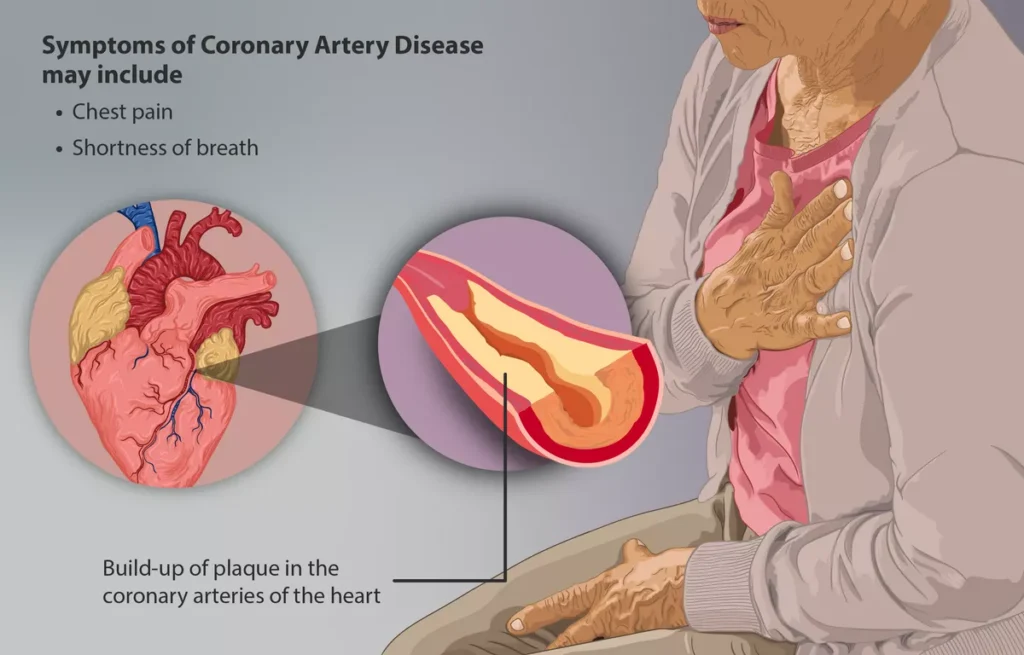
Coronary Artery Disease (CAD) is one of the most common and serious cardiovascular conditions worldwide and remains a leading cause of morbidity and mortality. It develops when the coronary arteries, which supply oxygen-rich blood to the heart muscle, become narrowed or obstructed due to atherosclerotic plaque formation. This progressive process restricts myocardial blood flow and may ultimately result in angina, myocardial infarction, heart failure, or sudden cardiac events.
In clinical practice, Dr. İbrahim Kocaoğlu approaches coronary artery disease as a chronic and systemic cardiovascular condition rather than an isolated vascular problem. Effective CAD management requires early identification, accurate cardiovascular risk assessment, and a comprehensive treatment strategy that integrates evidence-based medical therapy, lifestyle modification, and long-term follow-up. By addressing both the disease itself and the mechanisms driving its progression, long-term outcomes and quality of life can be significantly improved.
Understanding the Nature of Coronary Artery Disease
Atherosclerosis, the underlying pathological mechanism of coronary artery disease, begins silently and progresses over many years. Cholesterol-rich plaques gradually accumulate within the arterial walls, leading to chronic inflammation, endothelial dysfunction, and reduced arterial elasticity. As CAD advances, these plaques may significantly restrict blood flow or rupture, triggering acute coronary syndromes.
Many individuals with coronary artery disease remain asymptomatic in the early stages. Symptoms often appear only when arterial narrowing becomes severe or when myocardial oxygen demand exceeds supply. Chest pain, pressure, or tightness during physical exertion is the most recognized symptom, but CAD may also present with shortness of breath, fatigue, or atypical discomfort particularly in older adults and individuals with diabetes mellitus.
Early recognition of coronary artery disease before the occurrence of major cardiac events is a fundamental goal of modern cardiology. Timely diagnosis allows for early intervention, targeted risk factor modification, and prevention of irreversible myocardial damage.
Clinical Evaluation and Diagnostic Approach
Accurate diagnosis of coronary artery disease requires a structured and individualized clinical assessment. Dr. Kocaoğlu emphasizes that evaluation should begin with a detailed medical history and physical examination, followed by appropriate diagnostic testing based on symptom presentation and overall cardiovascular risk profile.
Non-invasive diagnostic tests are used to assess myocardial perfusion, functional capacity, and ischemic burden, while invasive procedures may be required in selected patients to visualize coronary anatomy directly. Diagnostic strategies are chosen carefully to maximize diagnostic accuracy while ensuring patient safety.
Coronary artery disease is frequently associated with the following risk factors:
- Hypertension
- Dyslipidemia
- Diabetes mellitus
- Smoking
- Sedentary lifestyle
- Obesity and metabolic syndrome
Effective management of these risk factors is essential for both treatment and prevention of disease progression.
Individualized Treatment Strategies
The management of coronary artery disease is multifaceted and must be tailored to each patient. Dr. Kocaoğlu follows evidence-based international cardiology guidelines while adapting treatment plans to the patient’s clinical condition, comorbidities, and individual lifestyle factors.
Medical therapy plays a central role in CAD treatment. Pharmacological agents are used to reduce myocardial oxygen demand, improve coronary blood flow, stabilize atherosclerotic plaques, and prevent thrombotic events. Treatment regimens are adjusted over time based on symptom control, tolerance, and disease severity.
In selected patients, interventional or surgical procedures may be necessary to restore adequate blood flow to the heart muscle. These decisions are made through comprehensive evaluation and shared decision-making, ensuring that potential benefits and risks are clearly understood by the patient.
Lifestyle Modification and Secondary Prevention
Lifestyle modification is a cornerstone of coronary artery disease management. While medical therapy targets the physiological aspects of CAD, lifestyle interventions address behavioral and metabolic factors that contribute to disease progression.
Sustainable lifestyle changes slow atherosclerosis, reduce symptom burden, and improve long-term prognosis. Patient education and active participation are therefore essential components of effective cardiovascular care.
Lifestyle strategies commonly emphasized in CAD management include:
- Heart-healthy nutritional patterns
- Regular physical activity adapted to cardiac capacity
- Smoking cessation
- Weight management
- Stress reduction and emotional health support
These strategies complement medical treatment and significantly enhance cardiovascular protection.
Long-Term Monitoring and Follow-Up
Coronary artery disease is a lifelong condition that requires continuous monitoring. Regular follow-up enables clinicians to assess treatment effectiveness, detect disease progression, and adjust therapy as needed. Ongoing surveillance also helps identify new or worsening symptoms that may indicate myocardial ischemia.
Dr. Kocaoğlu prioritizes continuity of care and clear physician–patient communication. Follow-up visits focus on symptom evaluation, medication adherence, cardiovascular risk factor control, and reinforcement of lifestyle recommendations. This structured approach supports early intervention and reduces the risk of acute cardiac complications.
Prevention and Cardiovascular Risk Reduction
Preventive cardiology plays a vital role in reducing the overall burden of coronary artery disease. Primary prevention aims to delay or prevent the onset of atherosclerosis in high-risk individuals, while secondary prevention focuses on preventing recurrent events in patients with established CAD.
Effective prevention depends on early risk identification, patient education, and consistent management of modifiable risk factors. Even modest improvements in blood pressure, lipid levels, and lifestyle habits can lead to meaningful reductions in long-term cardiovascular risk.
A Comprehensive and Patient-Centered Perspective
Coronary artery disease affects not only physical health but also emotional wellbeing and daily functioning. Anxiety, fear of physical exertion, and reduced self-confidence are common among patients with CAD. Addressing these psychosocial aspects is an essential part of comprehensive cardiovascular care.
Dr. Kocaoğlu’s approach combines scientific precision with personalized attention, ensuring that treatment strategies align with each patient’s needs, goals, and lifestyle. By fostering a collaborative physician–patient relationship, patients are empowered to take an active role in managing their heart health.
Coronary artery disease is a complex and progressive cardiovascular condition that requires early diagnosis, individualized treatment, and long-term commitment to care. Through evidence-based medical therapy, targeted lifestyle modification, and continuous follow-up, it is possible to reduce symptoms, prevent complications, and improve quality of life.
Dr. İbrahim Kocaoğlu’s patient-centered approach reflects modern cardiology principles integrating scientific rigor with personalized care to support lasting cardiovascular health.