
Heart failure is a complex clinical syndrome in which the heart is unable to pump sufficient blood to meet the metabolic demands of the body. Rather than representing a single disease, heart failure is the final common pathway of multiple cardiovascular conditions, including coronary artery disease, hypertension, valvular disorders, and cardiomyopathies. Its global prevalence continues to rise due to aging populations and improved survival rates following acute cardiac events.
In clinical practice, Dr. İbrahim Kocaoğlu approaches heart failure as a dynamic and multifactorial cardiovascular condition that requires early recognition, comprehensive evaluation, and long-term individualized management. Effective heart failure care extends beyond symptom relief and focuses on improving functional capacity, slowing disease progression, reducing hospitalizations, and enhancing overall quality of life.
Understanding Heart Failure
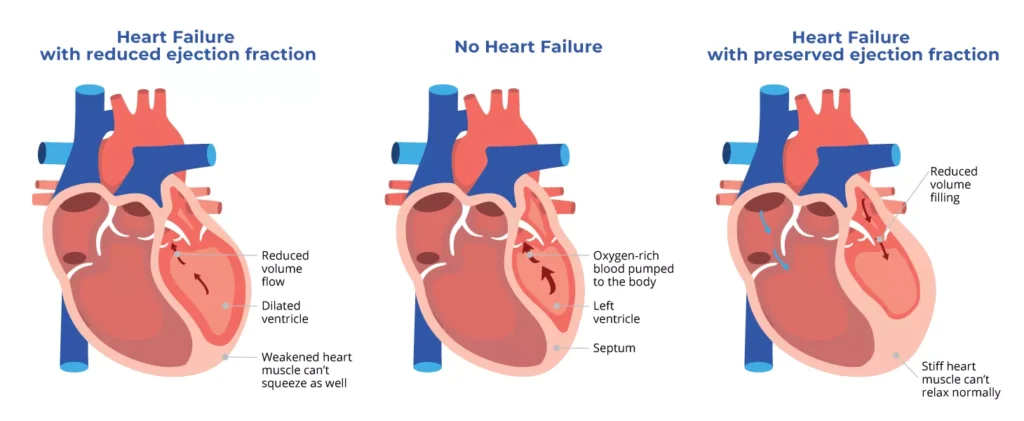
Heart failure develops when structural or functional abnormalities impair the heart’s ability to fill with or eject blood effectively. This impairment may involve the left ventricle, the right ventricle, or both, and may present with either reduced or preserved ejection fraction. Because heart failure often evolves gradually, early stages may remain asymptomatic or present with subtle clinical signs.
Common symptoms include shortness of breath, reduced exercise tolerance, persistent fatigue, lower-extremity edema, and nocturnal breathing difficulties. These manifestations often worsen progressively, leading many patients to attribute them to aging or physical deconditioning rather than underlying cardiac disease. Timely cardiovascular evaluation is therefore essential to prevent advanced deterioration.
Heart failure is not limited to cardiac dysfunction alone. It frequently affects multiple organ systems, including renal function, pulmonary circulation, skeletal muscle metabolism, and neurohormonal regulation. This systemic impact underscores the importance of a holistic and integrated management strategy.
Clinical Assessment and Diagnosis
Accurate diagnosis is fundamental to effective heart failure management. Dr. Kocaoğlu emphasizes a structured diagnostic approach that integrates clinical findings with objective cardiovascular testing. The evaluation begins with a detailed medical history and physical examination, followed by targeted investigations to determine the underlying cause, disease severity, and prognostic risk.
Cardiac imaging plays a central role in assessing ventricular structure and function, while laboratory biomarkers provide valuable information regarding disease severity, prognosis, and treatment response. Functional assessment further helps determine exercise capacity and guides therapeutic decision-making.
Heart failure is commonly associated with the following underlying conditions:
- Coronary artery disease
- Long-standing hypertension
- Valvular heart diseases
- Cardiomyopathies
- Cardiac rhythm disorders
Identifying and addressing these contributing factors is essential for effective disease control and long-term stability.
Individualized Treatment Strategies
The management of heart failure requires a personalized treatment approach that accounts for disease stage, comorbid conditions, and patient-specific characteristics. Dr. Kocaoğlu follows evidence-based international cardiology guidelines while tailoring therapy to optimize clinical outcomes and minimize adverse effects.
Pharmacological therapy remains the cornerstone of heart failure treatment. Medications are selected to relieve symptoms, improve cardiac performance, and reduce the risk of hospitalization and mortality. Treatment regimens are adjusted gradually, with careful monitoring to ensure safety, tolerance, and effectiveness.
Non-pharmacological strategies are equally important. Patient education, lifestyle modification, and close clinical follow-up significantly influence long-term prognosis. In selected patients with advanced or refractory disease, interventional or device-based therapies may be considered.
Lifestyle and Self-Management in Heart Failure
Lifestyle optimization is a critical component of heart failure care. Daily habits directly influence symptom burden, disease progression, and treatment success. Patients are educated to recognize early signs of clinical deterioration and to actively participate in their care.
Lifestyle measures commonly emphasized in heart failure management include:
- Sodium and fluid intake regulation
- Daily weight monitoring and early detection of fluid retention
- Appropriate physical activity and cardiac rehabilitation
- Sleep quality optimization
- Stress management and emotional wellbeing support
These strategies complement medical therapy and help reduce the risk of acute heart failure exacerbations.
Long-Term Follow-Up and Disease Monitoring
Heart failure is a chronic condition that requires continuous surveillance. Regular follow-up allows clinicians to monitor disease progression, optimize treatment, and address emerging complications at an early stage. Close monitoring also plays a key role in preventing hospital admissions by identifying early signs of worsening cardiac function.
Dr. Kocaoğlu prioritizes continuity of care and clear physician–patient communication. Follow-up visits are structured to assess symptoms, review medication adherence, evaluate functional status, and reinforce lifestyle recommendations. This consistent approach strengthens the therapeutic alliance and improves long-term outcomes.
Prevention and Cardiovascular Risk Reduction
Preventing the development or progression of heart failure begins with effective management of cardiovascular risk factors. Early treatment of hypertension, diabetes, coronary artery disease, and rhythm disorders significantly reduces the likelihood of heart failure.
In patients with established heart disease, proactive intervention and lifestyle optimization can delay or prevent the onset of heart failure. Education and risk awareness empower patients to take preventive measures and seek timely medical attention.
A Comprehensive and Patient-Centered Approach
Heart failure management requires more than medical expertise; it demands an understanding of the patient’s physical, emotional, and social context. Anxiety, depression, and reduced quality of life are common among individuals with heart failure and can negatively affect outcomes if left unaddressed.
Dr. Kocaoğlu’s approach integrates medical treatment with patient education, lifestyle guidance, and psychosocial support. This comprehensive model fosters patient engagement, improves treatment adherence, and supports sustainable health improvements.
Heart failure is a complex and progressive cardiovascular condition that necessitates early diagnosis, individualized treatment, and long-term management. Through evidence-based therapy, lifestyle optimization, and continuous follow-up, it is possible to improve symptoms, slow disease progression, and enhance quality of life.
Dr. İbrahim Kocaoğlu’s patient-centered approach reflects modern cardiology principles combining scientific precision with personalized care. By addressing both the physiological and human dimensions of heart failure, this model aims to deliver meaningful and lasting benefits for patients.