
Heart valve diseases represent a significant yet often underrecognized group of cardiovascular disorders that can profoundly affect cardiac function and long-term health. The heart’s four valves—mitral, aortic, tricuspid, and pulmonary—are responsible for maintaining unidirectional blood flow through the cardiac chambers. When one or more of these valves fail to open or close properly, the efficiency of cardiac circulation is compromised, potentially leading to progressive symptoms and serious long-term complications.
In clinical practice, Dr. İbrahim Kocaoğlu approaches valve diseases with a comprehensive and individualized perspective. Rather than focusing solely on valve anatomy, he evaluates valve disorders within the broader context of overall cardiac performance, vascular health, and patient-specific risk factors. This integrated approach supports early diagnosis, accurate risk stratification, and timely clinical intervention.
Understanding Heart Valve Diseases
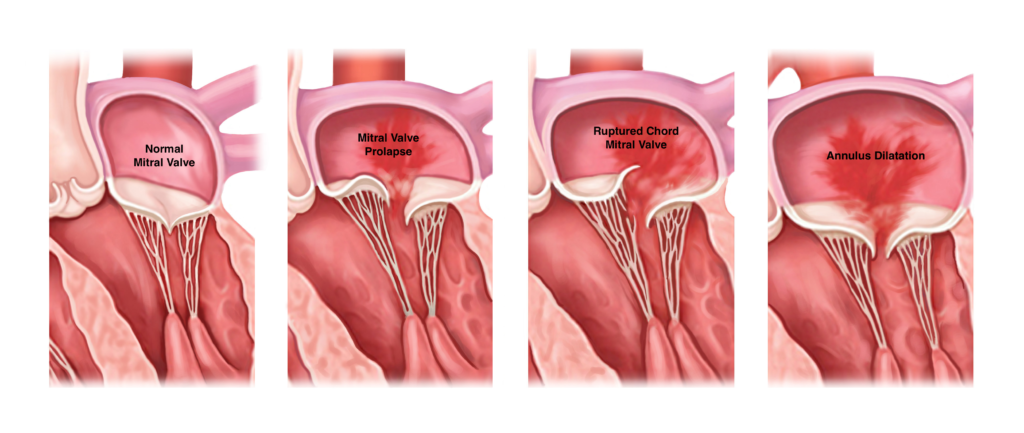
Heart valve diseases generally fall into two primary functional categories: stenosis and regurgitation. Stenosis occurs when a valve becomes narrowed and restricts forward blood flow, forcing the heart to generate higher pressure to maintain adequate circulation. Regurgitation, also referred to as valve insufficiency, occurs when a valve does not close completely, allowing blood to leak backward and reducing cardiac efficiency.
Valve pathology may arise from a variety of causes, including degenerative age-related changes, congenital abnormalities, rheumatic heart disease, infective endocarditis, or secondary effects of other cardiovascular conditions such as cardiomyopathy or ischemic heart disease. In many patients, valve diseases progress slowly and remain asymptomatic for extended periods before clinical manifestations become evident.
Symptoms vary depending on the affected valve and the severity of dysfunction. Common symptoms include shortness of breath, fatigue, palpitations, chest discomfort, dizziness, and reduced exercise tolerance. Because these symptoms often develop gradually and are nonspecific, valve diseases may be misattributed to aging or reduced physical fitness, resulting in delayed diagnosis.
Early recognition is essential. Timely diagnosis enables intervention before irreversible myocardial damage or heart failure develops, significantly improving long-term prognosis and quality of life.
Clinical Evaluation and Diagnostic Approach
Accurate diagnosis of valve disease requires a structured and methodical assessment. Dr. Kocaoğlu emphasizes the importance of correlating clinical findings with advanced imaging and functional evaluation. The diagnostic process begins with a detailed medical history and physical examination, which may reveal characteristic heart murmurs or signs of volume overload.
Echocardiography plays a central role in valve disease assessment, providing detailed information on valve structure, severity of dysfunction, chamber dimensions, and ventricular performance. When necessary, additional diagnostic tools may be used to evaluate exercise capacity, hemodynamic impact, and coexisting cardiac conditions.
Valve diseases most commonly encountered in clinical practice include:
- Aortic stenosis and aortic regurgitation
- Mitral valve stenosis and mitral regurgitation
- Tricuspid valve disorders
- Combined or multivalvular disease
Each condition is evaluated not only based on valve anatomy, but also on its effect on global cardiac function and patient symptoms.
Individualized Treatment Strategies
The management of valve diseases requires careful timing and individualized clinical decision-making. Not all valve disorders require immediate intervention. In mild to moderate cases, regular monitoring and medical optimization may be sufficient, while advanced disease often necessitates procedural or surgical treatment.
Dr. Kocaoğlu follows evidence-based international cardiology guidelines while tailoring management strategies to the patient’s clinical status, age, comorbid conditions, and lifestyle. Medical therapy is primarily used to control symptoms, manage blood pressure, regulate heart rhythm, and reduce cardiac workload. However, it is important to note that medication does not reverse structural valve abnormalities and serves mainly as supportive therapy.
When valve dysfunction reaches a severity that compromises cardiac function or quality of life, interventional or surgical treatment may be indicated. The decision to intervene is based on a comprehensive assessment that balances procedural risks with expected benefits and long-term outcomes.
Lifestyle Considerations and Disease Progression
Lifestyle factors play an important role in the progression and clinical management of valve diseases. Although lifestyle modification cannot correct structural valve defects, it can significantly influence symptom severity, disease progression, and overall cardiovascular health.
Lifestyle elements commonly addressed in valve disease management include:
- Effective blood pressure control
- Regular physical activity adapted to functional capacity
- Weight management
- Infection prevention and optimal dental hygiene
- Stress management and sleep quality optimization
Optimizing these factors supports medical treatment and helps preserve cardiac function over time.
Long-Term Monitoring and Follow-Up
Valve diseases frequently require long-term surveillance. Regular follow-up allows clinicians to monitor disease progression, assess ventricular adaptation, and determine the optimal timing for intervention. Structured monitoring reduces the risk of late referrals, which are associated with poorer clinical outcomes.
Dr. Kocaoğlu places strong emphasis on continuity of care and patient education. Follow-up visits focus on symptom evaluation, imaging review, and reinforcement of lifestyle and medical recommendations. Patients are encouraged to report new or worsening symptoms promptly, allowing for early reassessment.
Prevention and Risk Reduction
While not all valve diseases are preventable, early risk identification and proactive management can reduce disease burden. Prompt treatment of streptococcal infections, effective blood pressure control, and management of atherosclerotic risk factors contribute to improved valve health. In patients with established valve disease, preventive strategies aim to delay progression and avoid complications such as heart failure or arrhythmias.
Patient awareness is a key element of prevention. Understanding the nature of valve disease and its potential consequences empowers patients to participate actively in their care and adhere to follow-up recommendations.
A Patient-Centered Perspective on Valve Disease Care
Valve diseases often affect patients both physically and emotionally. Concerns about exercise limitations, future interventions, or possible surgical procedures may cause anxiety and uncertainty. Addressing these concerns is an essential part of comprehensive cardiovascular care.
Dr. Kocaoğlu’s approach integrates scientific expertise with clear communication and individualized planning. By aligning medical decisions with patient expectations and clinical evidence, he supports informed decision-making and long-term cardiovascular wellbeing.
Valve diseases are complex cardiovascular conditions that require early diagnosis, individualized management, and continuous monitoring. Through accurate assessment, evidence-based treatment, and attention to lifestyle and preventive strategies, it is possible to preserve cardiac function and improve quality of life.
Dr. İbrahim Kocaoğlu’s patient-centered approach reflects modern cardiology principles—combining clinical precision with personalized care to support sustainable heart health in patients with valve disease.