
The human heart depends on a precisely coordinated electrical system to maintain a regular and effective rhythm. When this system functions normally, the heart beats in a synchronized pattern that ensures efficient blood circulation throughout the body. Arrhythmia, also known as heart rhythm disorders, occurs when this electrical activity is disrupted, resulting in heartbeats that are too fast, too slow, or irregular.
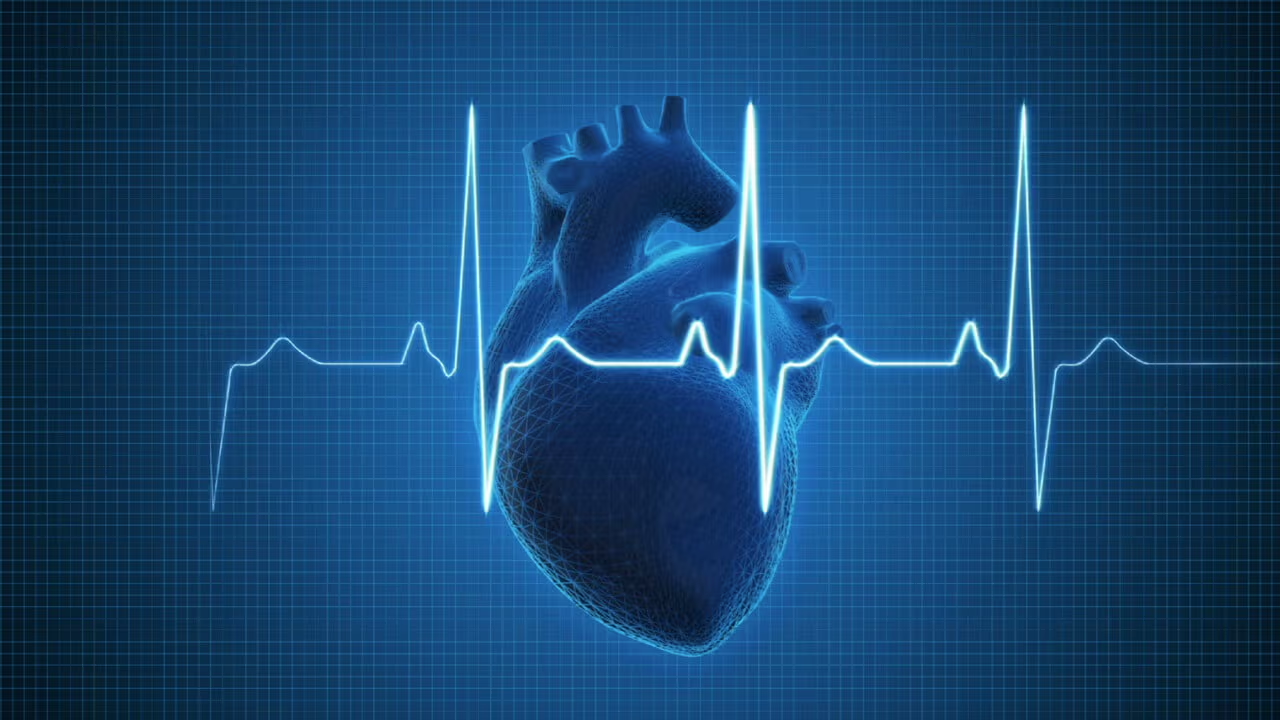
In clinical practice, Dr. İbrahim Kocaoğlu approaches arrhythmia as a multifaceted cardiovascular condition requiring detailed diagnostic evaluation and individualized management. Rhythm disorders may range from benign and transient disturbances to potentially life-threatening conditions. Accurate identification of the underlying mechanism is therefore essential for selecting the appropriate treatment strategy and determining long-term prognosis.
Understanding Cardiac Rhythm Disorders
Arrhythmias arise from abnormalities in the heart’s electrical conduction system. These abnormalities may be caused by structural heart disease, myocardial ischemia, metabolic or electrolyte imbalances, medication effects, or age-related changes in cardiac tissue. In some individuals, arrhythmias develop in structurally normal hearts, while in others they reflect advanced cardiovascular disease.
Clinical presentation varies widely depending on the type and severity of the rhythm disorder. Some patients remain asymptomatic, while others experience palpitations, dizziness, shortness of breath, chest discomfort, fatigue, or syncope. Because symptoms may be intermittent, arrhythmias can be difficult to detect without targeted and prolonged cardiac monitoring.
Early recognition of rhythm disorders is particularly important, as untreated arrhythmias may increase the risk of stroke, heart failure, or sudden cardiac events. A comprehensive cardiovascular evaluation allows these risks to be assessed accurately and managed proactively.
Diagnostic Evaluation of Arrhythmias
Accurate diagnosis of arrhythmia requires a combination of clinical assessment and advanced cardiac monitoring techniques. Dr. Kocaoğlu emphasizes that diagnostic strategies should be individualized based on patient symptoms, medical history, and the suspected rhythm abnormality.
Standard electrocardiography (ECG) provides a snapshot of cardiac rhythm at a specific moment, but many arrhythmias occur intermittently and may not be captured during a brief recording. For this reason, extended rhythm monitoring plays a critical role in diagnosis. Additional investigations may be necessary to evaluate underlying structural or ischemic heart disease.
Common rhythm disorders evaluated in clinical practice include:
- Atrial fibrillation and atrial flutter
- Supraventricular tachycardias
- Ventricular premature beats and ventricular tachycardia
- Bradyarrhythmias and conduction system disorders
- Sinus node dysfunction
Each arrhythmia is evaluated within the broader cardiovascular context of the patient, including stroke risk assessment, ventricular function, and associated comorbid conditions.
Individualized Treatment Approaches
Management of arrhythmia depends on the specific rhythm disorder, symptom burden, and associated cardiovascular risks. Treatment strategies may include lifestyle modification, pharmacological therapy, interventional procedures, or a combination of these approaches.
Dr. Kocaoğlu adopts an evidence-based and patient-centered treatment philosophy, ensuring that management decisions align with international clinical guidelines while remaining tailored to the individual. Not all arrhythmias require aggressive intervention; in selected cases, careful observation and risk factor control may be sufficient.
Pharmacological therapy aims to control heart rate, restore or maintain normal rhythm, and reduce the risk of complications such as stroke or heart failure. When medications are ineffective or poorly tolerated, interventional options such as catheter ablation may be considered.
Lifestyle Factors and Rhythm Disorders
Lifestyle factors play a significant role in both the development and management of cardiac arrhythmias. Chronic stress, sleep deprivation, excessive caffeine or alcohol intake, and metabolic imbalance can trigger or exacerbate rhythm disturbances.
Lifestyle elements commonly addressed in arrhythmia management include:
- Stress reduction and emotional health support
- Optimization of sleep quality
- Nutritional balance and electrolyte stability
- Moderation of stimulants such as caffeine and alcohol
- Regular, appropriate physical activity
Addressing these factors enhances treatment effectiveness and may reduce arrhythmia frequency in selected patients.
Long-Term Monitoring and Follow-Up
Arrhythmias often require long-term monitoring to evaluate treatment response and detect changes over time. Regular follow-up allows therapy to be adjusted as needed and ensures that potential complications are identified early.
Dr. Kocaoğlu places strong emphasis on continuity of care in rhythm disorder management. Patients are educated about their specific arrhythmia, warning symptoms that require prompt medical attention, and the importance of adherence to both medical therapy and lifestyle recommendations.
This structured follow-up approach supports sustained rhythm control and improves patient confidence in managing their cardiovascular condition.
A Holistic and Preventive Perspective
Beyond symptom control, modern arrhythmia care focuses on preventing disease progression and reducing overall cardiovascular risk. Rhythm disorders are frequently associated with hypertension, coronary artery disease, and metabolic conditions. Managing these interconnected disorders simultaneously improves long-term cardiovascular outcomes.
Patient education is a central component of this holistic approach. Understanding the nature of the arrhythmia, available treatment options, and the influence of lifestyle factors empowers patients to actively participate in their care and make informed decisions.
Arrhythmia represents a diverse group of cardiovascular conditions that require precise diagnosis, individualized treatment, and long-term management. Through comprehensive evaluation, evidence-based therapies, and attention to lifestyle and preventive strategies, most rhythm disorders can be effectively controlled.
Dr. İbrahim Kocaoğlu’s approach reflects a modern vision of arrhythmia care combining scientific accuracy with personalized, patient-centered treatment. By addressing both the electrical and systemic aspects of heart rhythm disorders, this model aims to improve clinical outcomes while supporting long-term quality of life.