
Heart and vascular diseases remain the leading cause of morbidity and mortality worldwide, affecting individuals across all age groups and lifestyles. These conditions often develop silently over many years, progressing gradually until symptoms appear or a major cardiovascular event occurs. Modern cardiology therefore emphasizes not only treatment, but also early detection, comprehensive risk assessment, and long-term disease management.
In clinical practice, Dr. İbrahim Kocaoğlu approaches heart and vascular diseases through a comprehensive and patient-centered framework. His clinical philosophy recognizes that cardiovascular disorders are rarely isolated problems; instead, they are frequently interconnected with metabolic health, lifestyle factors, genetic predispositions, and systemic conditions. Effective cardiovascular care requires a thorough understanding of these interactions and an individualized strategy for each patient.
Understanding Heart and Vascular Diseases
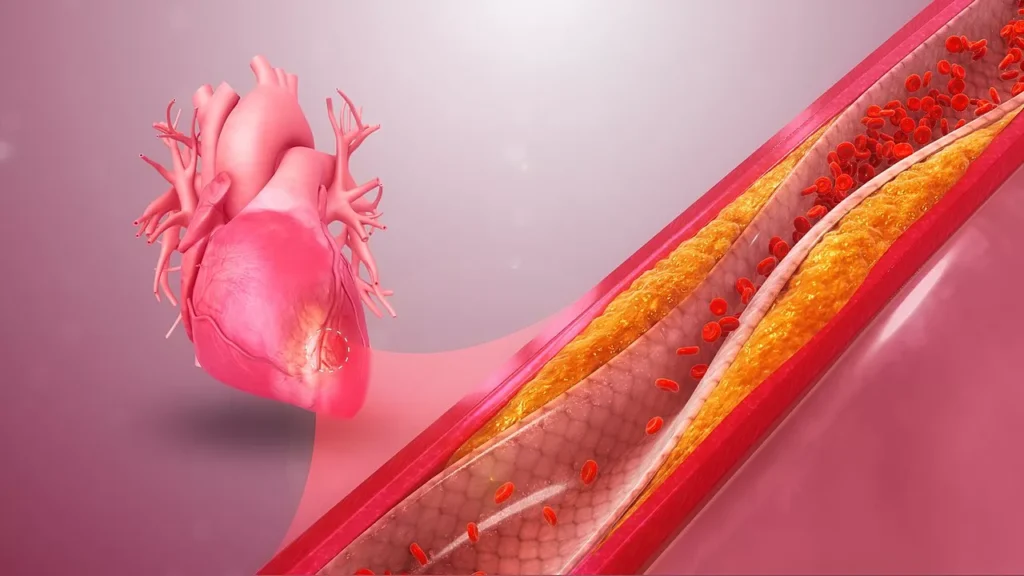
Heart and vascular diseases encompass a broad spectrum of conditions involving the heart muscle, coronary arteries, heart valves, the cardiac electrical conduction system, and peripheral blood vessels. These conditions may present acutely, such as myocardial infarction, or develop chronically over time, as seen in hypertension and atherosclerosis.
In the early stages, symptoms are often mild or nonspecific. Fatigue, shortness of breath, palpitations, or subtle chest discomfort may be overlooked or attributed to stress, aging, or reduced physical fitness. However, these early warning signs can reflect underlying cardiovascular pathology that requires careful evaluation.
A central goal of modern cardiovascular medicine is to identify disease at a stage when intervention can significantly alter its course. Through systematic clinical assessment and evidence-based diagnostic methods, early detection becomes possible, reducing the risk of complications and improving long-term outcomes.
Clinical Evaluation and Diagnostic Approach
Accurate diagnosis is the cornerstone of effective cardiovascular care. In Dr. Kocaoğlu’s practice, evaluation begins with a detailed medical history and physical examination, followed by diagnostic testing tailored to the patient’s symptoms, risk profile, and overall cardiovascular status.
Advanced diagnostic tools allow precise assessment of cardiac structure, function, and rhythm, as well as vascular integrity and blood flow dynamics. These investigations are selected judiciously to ensure diagnostic accuracy while avoiding unnecessary procedures.
Heart and vascular conditions commonly evaluated in clinical practice include:
- Coronary artery disease and atherosclerosis
- Hypertension and hypertensive heart disease
- Cardiac arrhythmias
- Valvular heart diseases
- Heart failure
- Peripheral vascular diseases
Each condition is evaluated within the broader context of the patient’s overall cardiovascular risk, including metabolic status, inflammatory markers, and lifestyle factors.
Individualized Treatment Strategies
The management of heart and vascular diseases requires an individualized approach that balances medical therapy, lifestyle modification, and interventional strategies when indicated. Dr. Kocaoğlu emphasizes that treatment decisions should be guided by scientific evidence, international clinical guidelines, and patient-specific considerations.
Pharmacological therapy plays a central role in controlling blood pressure, cholesterol levels, cardiac rhythm disturbances, and thrombotic risk. However, medication alone is rarely sufficient. Long-term cardiovascular health depends on effective management of modifiable risk factors and the adoption of sustainable lifestyle changes.
Treatment plans are developed collaboratively, ensuring that patients understand their diagnosis, the rationale behind each therapeutic intervention, and the importance of adherence. This shared decision-making model strengthens patient engagement and contributes to improved clinical outcomes.
Prevention and Cardiovascular Risk Factor Management
Preventive cardiology is a fundamental component of heart and vascular disease management. Many cardiovascular events can be prevented or delayed through early risk identification and proactive intervention. Preventive strategies apply not only to patients with established disease but also to individuals at increased cardiovascular risk.
Key cardiovascular risk factors addressed in preventive care include:
- Elevated blood pressure
- Dyslipidemia
- Diabetes mellitus and insulin resistance
- Smoking
- Sedentary lifestyle
- Obesity and central adiposity
- Chronic stress and sleep disorders
Systematic management of these factors slows vascular damage and significantly reduces the long-term burden of cardiovascular disease.
Long-Term Follow-Up and Disease Monitoring
Heart and vascular diseases frequently require lifelong monitoring. Regular follow-up allows clinicians to assess treatment effectiveness, manage potential side effects, and identify emerging risks at an early stage. Disease monitoring is tailored to the specific condition and patient profile, ensuring continuity of care without unnecessary interventions.
Dr. Kocaoğlu places strong emphasis on continuity and clear communication. Follow-up visits are structured to review clinical progress, update diagnostic findings when needed, and reinforce lifestyle and medication adherence. This ongoing physician–patient relationship enables timely adjustments to treatment plans and fosters trust and collaboration.
A Holistic Perspective on Cardiovascular Health
Effective cardiovascular care extends beyond symptom control. It requires attention to the physical, emotional, and behavioral dimensions of health. Stress, anxiety, and reduced quality of life are common among patients with cardiovascular disease and can significantly influence disease progression and treatment adherence.
By integrating medical expertise with patient education and lifestyle guidance, Dr. Kocaoğlu aims to empower patients to actively participate in their cardiovascular care. Understanding one’s condition and the factors that influence it is a critical step toward sustainable heart and vascular health.
Heart and vascular diseases are complex, multifactorial conditions that demand a comprehensive and individualized approach. Through meticulous evaluation, evidence-based treatment, preventive strategies, and long-term follow-up, it is possible to significantly improve clinical outcomes and quality of life.
Dr. İbrahim Kocaoğlu’s approach reflects a modern vision of cardiology—combining scientific precision with personalized care. By addressing both the medical and human dimensions of cardiovascular disease, this model supports not only longer lives, but healthier and more fulfilling ones.