
High cholesterol and vascular stiffness are closely interconnected processes that play a critical role in the development and progression of cardiovascular disease. While elevated cholesterol levels are widely recognized as a major cardiovascular risk factor, vascular stiffness often remains less visible despite its significant impact on long-term cardiovascular outcomes. Together, these conditions contribute to atherosclerosis, impaired blood flow, increased cardiac workload, and a substantially higher risk of major cardiovascular events.
In clinical practice, Dr. İbrahim Kocaoğlu approaches high cholesterol and vascular stiffness as systemic cardiovascular conditions rather than isolated laboratory findings. Effective management requires a comprehensive understanding of how lipid metabolism, vascular structure, chronic inflammation, and lifestyle factors interact over time. Addressing both cholesterol levels and arterial health allows for more accurate cardiovascular risk stratification and more effective preventive strategies.
Understanding High Cholesterol in Cardiovascular Health
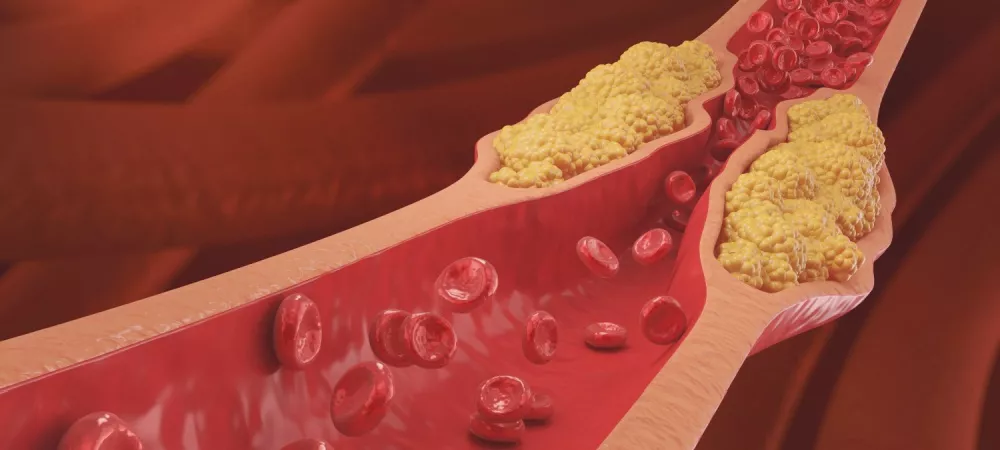
Cholesterol is an essential lipid involved in cell membrane integrity, hormone synthesis, and metabolic processes. However, when circulating cholesterol—particularly low-density lipoprotein (LDL)—remains persistently elevated, it promotes lipid accumulation within the arterial wall. This process initiates and accelerates atherosclerosis, characterized by plaque formation, chronic vascular inflammation, and endothelial dysfunction.
High cholesterol often progresses silently. Many individuals remain asymptomatic for years despite ongoing vascular damage. As atherosclerotic plaques enlarge and arterial elasticity decreases, blood flow becomes compromised, significantly increasing the risk of coronary artery disease, stroke, and peripheral vascular disease.
Importantly, cardiovascular risk assessment cannot rely on total cholesterol levels alone. The balance between LDL cholesterol, high-density lipoprotein (HDL), triglycerides, and other lipid fractions must be evaluated in the context of the patient’s overall cardiovascular risk profile, including age, blood pressure, metabolic health, and family history.
Vascular Stiffness: A Hidden but Powerful Risk Factor
Vascular stiffness refers to the reduced ability of arteries to expand and contract in response to pulsatile blood flow. Healthy arteries are elastic, enabling them to buffer fluctuations in blood pressure and maintain stable circulation. As arterial stiffness increases, this buffering capacity diminishes, resulting in elevated systolic blood pressure, increased cardiac workload, and impaired microvascular perfusion.
Arterial stiffness develops through a combination of aging, chronic inflammation, lipid infiltration, hypertension, and metabolic disorders. It is both a consequence and a driver of atherosclerosis, creating a self-perpetuating cycle of vascular damage and cardiovascular risk.
From a clinical perspective, vascular stiffness is a strong and independent predictor of cardiovascular morbidity and mortality. Its presence reflects advanced vascular aging and underscores the need for early, aggressive risk factor management even in patients without overt cardiovascular symptoms.
Clinical Evaluation and Cardiovascular Risk Assessment
Effective management of high cholesterol and vascular stiffness begins with comprehensive cardiovascular risk assessment. Dr. Kocaoğlu emphasizes that lipid levels should never be interpreted in isolation. Instead, they must be evaluated alongside blood pressure measurements, glucose metabolism, body composition, lifestyle habits, and genetic predisposition.
Laboratory testing provides detailed insight into lipid metabolism and inflammatory status, while non-invasive vascular assessments offer indirect yet valuable information about arterial health. Together, these data enable clinicians to identify high-risk individuals even before clinically apparent cardiovascular disease develops.
High cholesterol and vascular stiffness are frequently associated with:
- Coronary artery disease
- Hypertension
- Diabetes mellitus and insulin resistance
- Metabolic syndrome
- Chronic inflammatory conditions
Recognizing these associations allows for earlier diagnosis and more targeted cardiovascular intervention.
Individualized Treatment Strategies
The management of high cholesterol and vascular stiffness requires an individualized treatment approach that balances pharmacological therapy with lifestyle modification. Dr. Kocaoğlu follows evidence-based international guidelines while tailoring treatment intensity to the patient’s absolute cardiovascular risk rather than cholesterol values alone.
Pharmacological therapy aims to reduce atherogenic lipoproteins, stabilize existing atherosclerotic plaques, and slow vascular degeneration. Treatment regimens are adjusted over time based on therapeutic response, tolerance, and evolving cardiovascular risk profile.
Lifestyle intervention remains a cornerstone of therapy. While medications effectively lower cholesterol levels, lifestyle modifications address the underlying metabolic, inflammatory, and vascular mechanisms that drive arterial stiffness and disease progression.
Lifestyle Optimization and Vascular Health
Lifestyle factors exert a profound influence on lipid metabolism and arterial function. Sustainable lifestyle changes improve endothelial function, reduce systemic inflammation, and enhance arterial elasticity over time, significantly lowering long-term cardiovascular risk.
Lifestyle components commonly addressed in the management of high cholesterol and vascular stiffness include:
- Heart-healthy nutritional patterns
- Regular aerobic and resistance exercise
- Weight management and metabolic optimization
- Smoking cessation
- Stress reduction and sleep quality improvement
These interventions work synergistically with medical therapy to support long-term vascular and cardiovascular health.
Long-Term Monitoring and Disease Control
High cholesterol and vascular stiffness require continuous monitoring rather than short-term correction. Regular follow-up enables clinicians to evaluate treatment effectiveness, adjust therapeutic strategies, and reinforce lifestyle adherence. It also allows early detection of disease progression or treatment intolerance.
Dr. Kocaoğlu places strong emphasis on continuity of care and patient education throughout this process. Patients who understand the rationale behind long-term treatment and vascular risk reduction are more likely to maintain adherence and achieve sustained cardiovascular protection.
Prevention, Early Intervention, and Patient-Centered Care
Preventive cardiology plays a crucial role in addressing high cholesterol and vascular stiffness. Early identification of at-risk individuals allows intervention before irreversible vascular damage occurs. In younger patients, even modest lipid abnormalities may signal accelerated vascular aging, particularly in the presence of additional risk factors.
High cholesterol and vascular stiffness affect more than cardiovascular statistics—they influence long-term health, physical capacity, and overall quality of life. Dr. Kocaoğlu’s patient-centered approach integrates scientific rigor with individualized care, ensuring that treatment strategies align with patient-specific goals, expectations, and daily realities.
High cholesterol and vascular stiffness are interrelated drivers of cardiovascular disease that demand early recognition, individualized management, and long-term follow-up. Through evidence-based medical therapy, targeted lifestyle modification, and continuous cardiovascular risk assessment, it is possible to slow vascular aging and significantly reduce the risk of major cardiovascular events.
Dr. İbrahim Kocaoğlu’s patient-centered approach reflects modern cardiology principles—combining scientific precision with personalized care to support lasting vascular and cardiovascular health.